The Advantages of Protected Cultivation for Small-Scale Farmers
For small-scale farmers, maximizing their limited resources is of utmost importance in order to stay competitive in today's agricultural market. While traditional farming methods have always been the norm in rural communities, there is a growing interest in exploring innovative cultivation practices that could yield better results. One such technique is protected cultivation, which involves the use of polyhouses or greenhouses to create controlled environments for crops. In this article, we'll examine the numerous advantages of adopting protected cultivation for small-scale farmers and how Agriplast Protected Cultivation, India's largest polyhouse manufacturer, can help facilitate a smoother transition into this new and fruitful agricultural approach.
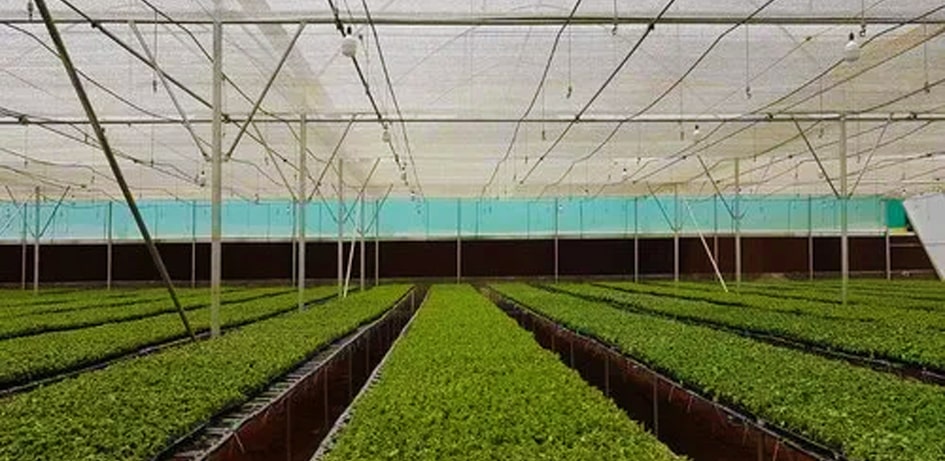
Protected cultivation offers several benefits for all types of farmers, but small-scale cultivators, in particular, can reap the rewards by implementing such methods. With less land and resources to work with, these farmers must ensure that their operations remain efficient and profitable by adopting sustainable and cost-effective practices. Protected cultivation provides a more controlled environment for crops, enabling farmers to optimize factors such as temperature, humidity, and water consumption, thus eliminating the need for large-scale, resource-intensive farming methods.
Polyhouses, made from polyethylene sheets, are the preferred choice for small-scale farmers looking to embrace protected cultivation. They are a relatively more affordable option compared to traditional glass greenhouses and are easier to install and maintain. Agriplast Protected Cultivation specializes in providing these types of structures to farmers across India, offering quality materials and expert guidance to ensure that small-scale agribusinesses thrive in their new cultivation environments.
Aside from offering an optimal growing environment for plants, adopting protected cultivation can also lead to increased crop yields, better quality produce, and a more sustainable agricultural operation. Furthermore, as climate change continues to impact global agriculture, small-scale farmers can leverage protected cultivation to ensure that their crops are less susceptible to erratic weather conditions, thereby safeguarding their investments.
Efficient Resource Management with Protected Cultivation
1. Optimized Water Usage
Traditional open-field farming methods can lead to substantial water loss due to evaporation and runoff. With protected cultivation practices, small-scale farmers can minimize this waste by implementing efficient irrigation systems like drip irrigation. This allows for precise water delivery directly to the plant roots, ensuring optimal hydration and nutrient absorption while conserving the valuable resource.
2. Controlled Temperature and Humidity
Polyhouses and greenhouses provide a controlled environment that allows farmers to regulate temperature and humidity levels depending on the specific needs of their crops. This enables farmers to grow a wider variety of crops throughout the year, irrespective of seasonal constraints. Moreover, the ability to manipulate these factors ensures that plants receive optimal growing conditions, reducing the likelihood of crop losses due to extreme weather events.
3. Superior Nutrient Management
Through the use of fertigation systems, protected cultivation enables small-scale farmers to deliver nutrients directly to the plant roots with unmatched precision. This system allows for accurate control of nutrient concentrations and can lead to significantly improved crop production with fewer inputs. As a result, farmers experience reduced resource waste and a boost in overall profit margins.
Enhanced Crop Yields and Quality
1. Increased Crop Yields
Protected cultivation can lead to substantial increases in crop production. By providing a controlled environment, small-scale farmers can optimize growth factors, leading to faster-growing and higher-yielding plants. Additionally, the extended growing season afforded by these structures allows farmers to grow multiple harvests throughout the year, further increasing the overall yield.
2. Improved Crop Quality
Protected cultivation methods ensure that crops are grown in an environment free from harmful external factors like pests, diseases, and extreme weather. This results in healthier plants and higher-quality produce. Consumers typically seek out produce that looks and tastes better, so enhanced quality can directly impact the marketability and profitability of a small-scale farmer's products.
Economic and Environmental Benefits
1. Diversification and Market Opportunities
By extending the scope of crop variety and growing seasons, protected cultivation allows small-scale farmers to diversify their products and tap into niche markets. Offering specialty crops during off-season periods or providing high-quality local produce can create valuable market opportunities for farmers seeking to expand their customer base.
2. Sustainable and Eco-Friendly Farming Practices
Protected cultivation practices reduce the dependency on chemical pesticides and fertilizers by providing a controlled environment that minimizes the risk of pest and disease infestations. By lowering the environmental impact of farming, small-scale farmers can further contribute to sustainable agricultural efforts and benefit from the rising consumer demand for eco-friendly products.
Services Provided by Agriplast Protected Cultivation for Small-Scale Farmers
1. Customized Polyhouse Design and Installation
Agriplast Protected Cultivation recognizes that each small-scale farmer has unique requirements and constraints, which is why they offer customized polyhouse designs and installations to suit the individual needs of each farmer. Their team of professionals possesses in-depth knowledge of agriculture and can recommend appropriate polyhouse solutions that cater to specific crop and environmental factors.
2. Irrigation and Fertigation System Assistance
Efficient irrigation and fertigation systems are essential for the success of protected cultivation practices. Agriplast Protected Cultivation supports small-scale farmers by providing help and guidance in properly implementing these systems, ensuring that crops receive optimal levels of water and nutrients at all times.
3. Ongoing Support and Training
To maximize the benefits of protected cultivation, farmers need to be well-trained and informed about best practices and techniques. Agriplast Protected Cultivation offers ongoing education and support to small-scale farmers, ensuring that they are equipped with the knowledge and skills required to succeed in their new cultivation environments.
Conclusion
Protected cultivation offers a valuable solution for small-scale farmers who want to modernize their agricultural practices, optimize resources, and improve crop yields. By providing a controlled environment for crop growth, these innovative structures open up numerous opportunities for farmers to increase the quality and variety of their produce. With the support of Agriplast Protected Cultivation, small-scale farmers can confidently transition into protected cultivation and experience the numerous benefits it offers. In doing so, they can successfully navigate the competitive landscape of modern agriculture while contributing to a more sustainable and eco-friendly future.
Agriplast Protected Cultivation is a renowned polyhouse manufacturer in India. We specialize in providing structures to farmers, offering quality materials and expert guidance to ensure that small-scale agribusinesses thrive in their new cultivation environments. Our experienced team possesses in-depth knowledge and easily solves any of your queries related to farming. Contact us today to learn more!
Recent Posts
Your Farm. Your Future.
Every great harvest starts with the right conversation. Let our experts design a polyhouse built around your land, crop, and climate.
Talk to an ExpertFrequently Asked Questions
In this video, Abhishek Bhatt, Director of Agriplast Protected Cultivation, will provide a comprehensive breakdown of why Agriplast Polyhouse outperforms other polyhouses in terms of yield. He'll elucidate on key features like superior design, Israeli technology application, and optimal environmental control. The design facilitates enhanced ventilation, ensuring ideal growing conditions. Additionally, the use of Israeli technology, tailored for Indian agricultural needs, plays a crucial role in maximizing yields. Stay tuned to gain valuable insights into how Agriplast Polyhouse revolutionizes protected cultivation for superior agricultural outcomes.
A greenhouse is a transparent structure which is made using glass where plants are grown under certain climatic conditions. The agricultural industry has got many innovations, and the greenhouse technology makes use of modern and smart technology to give optimum facilities to the plants for their better and more efficient growth all around the year. Polyhouse is a kind of greenhouse where polyethene plastic material is used to create the polyhouse instead of the use of glass.
A greenhouse is designed to grow plants even in adverse climatic conditions. The translucent glass that covers the greenhouse gives the plants enough light to let them carry the photosynthesis process easily by absorbing light energy. Since the greenhouse is in an airtight condition, a sufficient amount of sunlight makes the greenhouse warmer from within than the outer atmosphere.
Greenhouse not only warms the greenhouse from within only in summers but in winters; it allows for an artificial heating solution which is effective but is a bit expensive. Some other inexpensive ways of warming up your greenhouse are:
- If you cover the inside of a greenhouse structure with a bubble layer wrap, you will observe a reduction in heat loss.
- Good power supply availability will allow you to add electric fan heaters to circulate hot air within the greenhouse for the plant's growth.
- You can also get electric greenhouse heaters installed that come with an inbuilt thermostat and works automatically when the temperature of the outer surroundings goes down.
Greenhouse benefits you in several different ways, which are listed below:
- Helps in producing fresh crops at any time of the year.
- The facility of producing the crops all around the year, even in adverse climatic conditions.
- The greenhouse allows the farmers to create an exclusive environment for the better plant growth.
- Protects crops from adverse climatic conditions.
- The light energy within a greenhouse is distributed evenly to all the plants.
- Greenhouse installation makes it easy for the farmers to grow crops with less use of pesticides.
- Greenhouse setup helps in saving the total usage of resources.