Safeguarding Your Crops with Integrated Pest Management in Agriplast's Protected Cultivation Structures
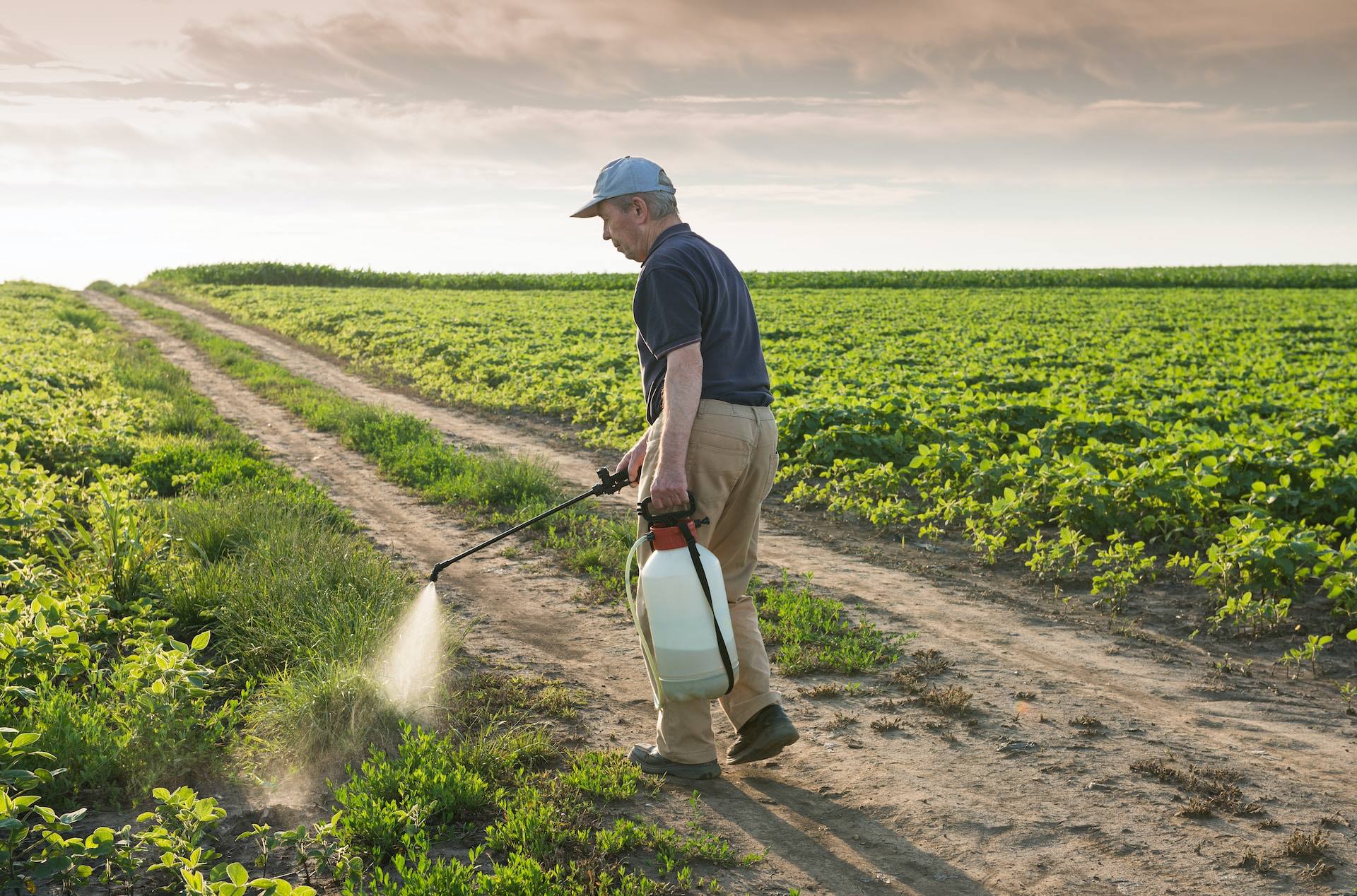
In any agricultural setting, pests and diseases pose significant threats to crop health, productivity, and overall farm profitability. Within the controlled environment of Agriplast's protected cultivation structures—polyhouses, greenhouses, and net houses—effective pest management becomes crucial for achieving optimum yield and maintaining crop quality. Integrated pest management (IPM) is an environmentally conscious and sustainable approach to managing pests and diseases, which helps growers reduce crop losses while minimizing the use of chemical pesticides.
By utilizing a multifaceted approach that integrates various pest management techniques, IPM enables growers to maintain crop health and profitability without negatively impacting the environment. Key IPM strategies include biological control, cultural control, mechanical control, and the judicious use of chemical control. These strategies work synergistically to address the unique challenges presented by pest and disease management in protected cultivation structures.
This article will delve into the advantages of implementing integrated pest management within Agriplast's protected cultivation structures, as well as explore the various techniques and strategies that growers can employ to keep their crops healthy and thriving. By understanding the importance and benefits of IPM, growers in India and abroad can ensure healthy, productive crops, achieve greater profitability, and contribute to a sustainable and eco-friendly approach to agriculture within Agriplast’s state-of-the-art structures.
Biological Control – Harnessing the Power of Beneficial Organisms
Biological control is an essential component of integrated pest management (IPM), emphasizing the use of natural enemies to control pests and diseases in Agriplast's protected cultivation structures. This environmentally friendly method relies on predatory and parasitic organisms—such as ladybugs, predatory mites, and parasitic wasps—to control pests, avoiding the excessive use of chemical pesticides and preserving ecological balance.
To implement biological control effectively, growers need to identify specific pests affecting their crops, research their natural enemies, and release these beneficial organisms in the controlled environment of Agriplast’s polyhouses, greenhouses, and net houses. Furthermore, they should promote biodiversity within and around their farms to create a sustainable, supportive ecosystem for these beneficial organisms to thrive.
Cultural Control – Optimal Farming Techniques to Minimize Pests and Diseases
Cultural control methods are fundamental IPM strategies that focus on altering the growing environment or implementing various farming practices to prevent or suppress pests and diseases in Agriplast's protected cultivation structures. These methods are often simple yet effective techniques that minimally impact the environment. Key cultural control practices include:
1. Crop Rotation: As discussed earlier in the article on soil management, crop rotation disrupts the life cycle of pests and pathogens and minimizes the build-up of pest populations.
2. Sanitation: Regularly removing crop debris, weeds, and diseased plants from the growing environment helps eliminate potential breeding and hiding spots for pests and pathogens.
3. Temperature and Humidity Management: Maintaining optimal temperature and humidity levels within the protected cultivation structures can help prevent or suppress the growth of pests and diseases.
4. Planting Resistant Varieties: Choosing resistant or tolerant plant varieties can help reduce the severity of pest and disease outbreaks.
By adopting cultural control practices, growers can effectively manage pests and diseases in a sustainable manner within Agriplast's protected cultivation structures.
Mechanical Control – Physical Barriers and Interventions to Deter Pests
Mechanical control employs physical barriers and interventions to prevent or control pests and diseases in Agriplast's protected cultivation structures. These techniques can serve as a frontline defense against pests and often require minimal environmental impact. Some common mechanical control methods include:
1. Screens and Barriers: Installing fine-mesh screens on vents, doors, and windows of polyhouses, greenhouses, and net houses can prevent the entry of pests, such as insects and rodents.
2. Traps: Utilizing various traps, such as sticky traps or pheromone traps, can help monitor and control pests like insect infestations.
3. Manual Removal: Hand-picking and removing pests, such as larger insects or weeds, can be an effective way to control localized pest problems.
By incorporating mechanical control methods into their IPM strategy, growers can achieve effective pest management with minimal reliance on chemical pesticides.
Chemical Control – The Judicious Use of Pesticides for Maximum Impact
Though chemical control should be the last resort in an IPM strategy, there are instances when it becomes necessary to use chemical pesticides in Agriplast's protected cultivation structures. When employing chemical control, growers should adhere to the following best practices:
1. Choose the Right Pesticide: Select the appropriate pesticide based on the target pest, stage of the pest’s life cycle, and any potential side effects on non-target organisms.
2. Apply at the Correct Rate: Follow the recommended dosage and application method to ensure the pesticide’s efficacy and reduce the risk of resistance development.
3. Time the Application: Apply the pesticide when the pest population is at its most vulnerable to maximize its effectiveness.
By using chemical control as a last resort and following best practices, growers can contribute to a more sustainable IPM strategy and protect both their crops and the environment.
Conclusion:
Implementing an effective integrated pest management strategy within Agriplast’s protected cultivation structures helps growers not only increase crop yield and quality but also promotes an eco-friendly approach to agriculture. By combining biological control, cultural control, mechanical control, and the judicious use of chemical control, growers can successfully manage pests and diseases while minimizing the impact on the environment.
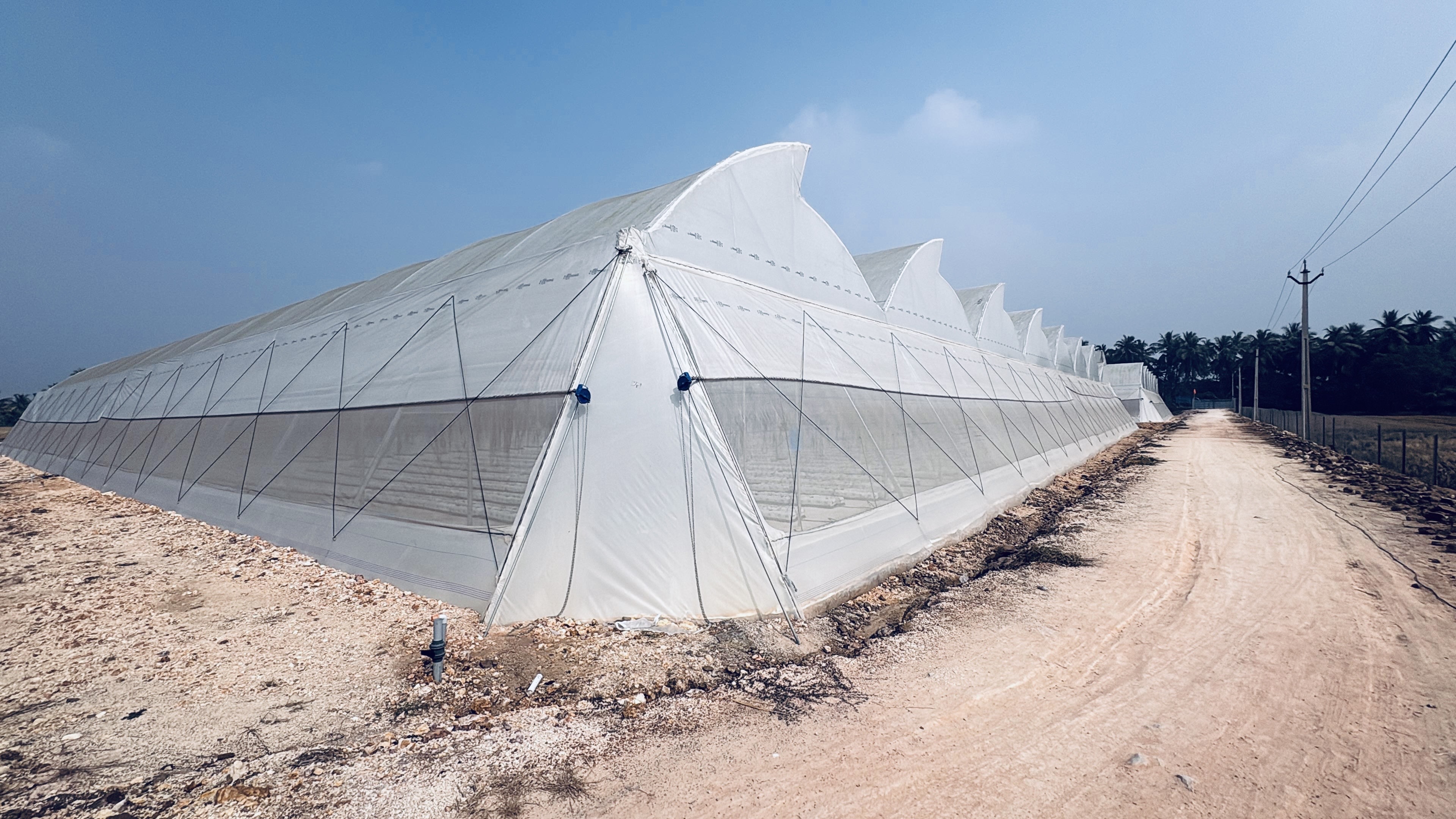
As the best greenhouse manufacturers, Agriplast Protected Cultivation is committed to providing innovative solutions that enable farmers to maximize their yields while minimizing their environmental impact. Our polyhouses, greenhouses, and net houses are designed to provide a controlled environment that protects crops from pests and diseases, while also reducing water usage and improving soil health. Let us enable growers to optimize their crop production while minimizing their environmental impact, making them a valuable investment for any farmer looking to improve their sustainability efforts. Contact us today to learn more about how we can help
Recent Posts
-
-
-
 27 Jan, 2026 What Materials Are Used for Polyhouse Construction?
 -
 06 Jan, 2026 Exit Strategy for Polyhouse Farming
Your Farm. Your Future.
Every great harvest starts with the right conversation. Let our experts design a polyhouse built around your land, crop, and climate.
Talk to an ExpertFrequently Asked Questions
In this video, Abhishek Bhatt, Director of Agriplast Protected Cultivation, will provide a comprehensive breakdown of why Agriplast Polyhouse outperforms other polyhouses in terms of yield. He'll elucidate on key features like superior design, Israeli technology application, and optimal environmental control. The design facilitates enhanced ventilation, ensuring ideal growing conditions. Additionally, the use of Israeli technology, tailored for Indian agricultural needs, plays a crucial role in maximizing yields. Stay tuned to gain valuable insights into how Agriplast Polyhouse revolutionizes protected cultivation for superior agricultural outcomes.
A greenhouse is a transparent structure which is made using glass where plants are grown under certain climatic conditions. The agricultural industry has got many innovations, and the greenhouse technology makes use of modern and smart technology to give optimum facilities to the plants for their better and more efficient growth all around the year. Polyhouse is a kind of greenhouse where polyethene plastic material is used to create the polyhouse instead of the use of glass.
A greenhouse is designed to grow plants even in adverse climatic conditions. The translucent glass that covers the greenhouse gives the plants enough light to let them carry the photosynthesis process easily by absorbing light energy. Since the greenhouse is in an airtight condition, a sufficient amount of sunlight makes the greenhouse warmer from within than the outer atmosphere.
Greenhouse not only warms the greenhouse from within only in summers but in winters; it allows for an artificial heating solution which is effective but is a bit expensive. Some other inexpensive ways of warming up your greenhouse are:
- If you cover the inside of a greenhouse structure with a bubble layer wrap, you will observe a reduction in heat loss.
- Good power supply availability will allow you to add electric fan heaters to circulate hot air within the greenhouse for the plant's growth.
- You can also get electric greenhouse heaters installed that come with an inbuilt thermostat and works automatically when the temperature of the outer surroundings goes down.
Greenhouse benefits you in several different ways, which are listed below:
- Helps in producing fresh crops at any time of the year.
- The facility of producing the crops all around the year, even in adverse climatic conditions.
- The greenhouse allows the farmers to create an exclusive environment for the better plant growth.
- Protects crops from adverse climatic conditions.
- The light energy within a greenhouse is distributed evenly to all the plants.
- Greenhouse installation makes it easy for the farmers to grow crops with less use of pesticides.
- Greenhouse setup helps in saving the total usage of resources.