Greenhouse & Polyhouse: A Comprehensive Comparison Guide

Greenhouses and polyhouses are popular structures that cultivate plants in a controlled environment. While they share some similarities, there are also significant differences between the two structures. This article will explore the differences between greenhouses and polyhouses and help you decide which is best for your gardening needs.
Greenhouses: A Closer Look
A greenhouse comprises glass or plastic walls and a roof that traps sun heat. This creates a warm and humid environment that is ideal for growing plants. The walls and roof of a greenhouse allow sunlight to enter, but they also prevent heat from escaping, which helps to maintain a stable temperature inside the structure.
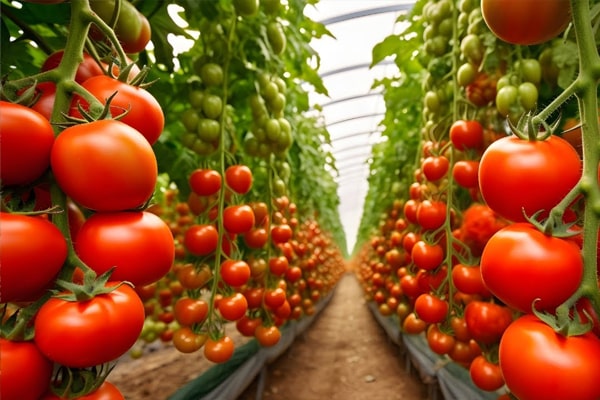
Greenhouses typically grow plants that require a warm and humid environment, such as tropical plants, fruits, and vegetables. They also extend the growing season for plants that would otherwise not survive in colder climates. Greenhouses come in various sizes, from small backyard structures to large commercial facilities.
Polyhouses: A Closer Look
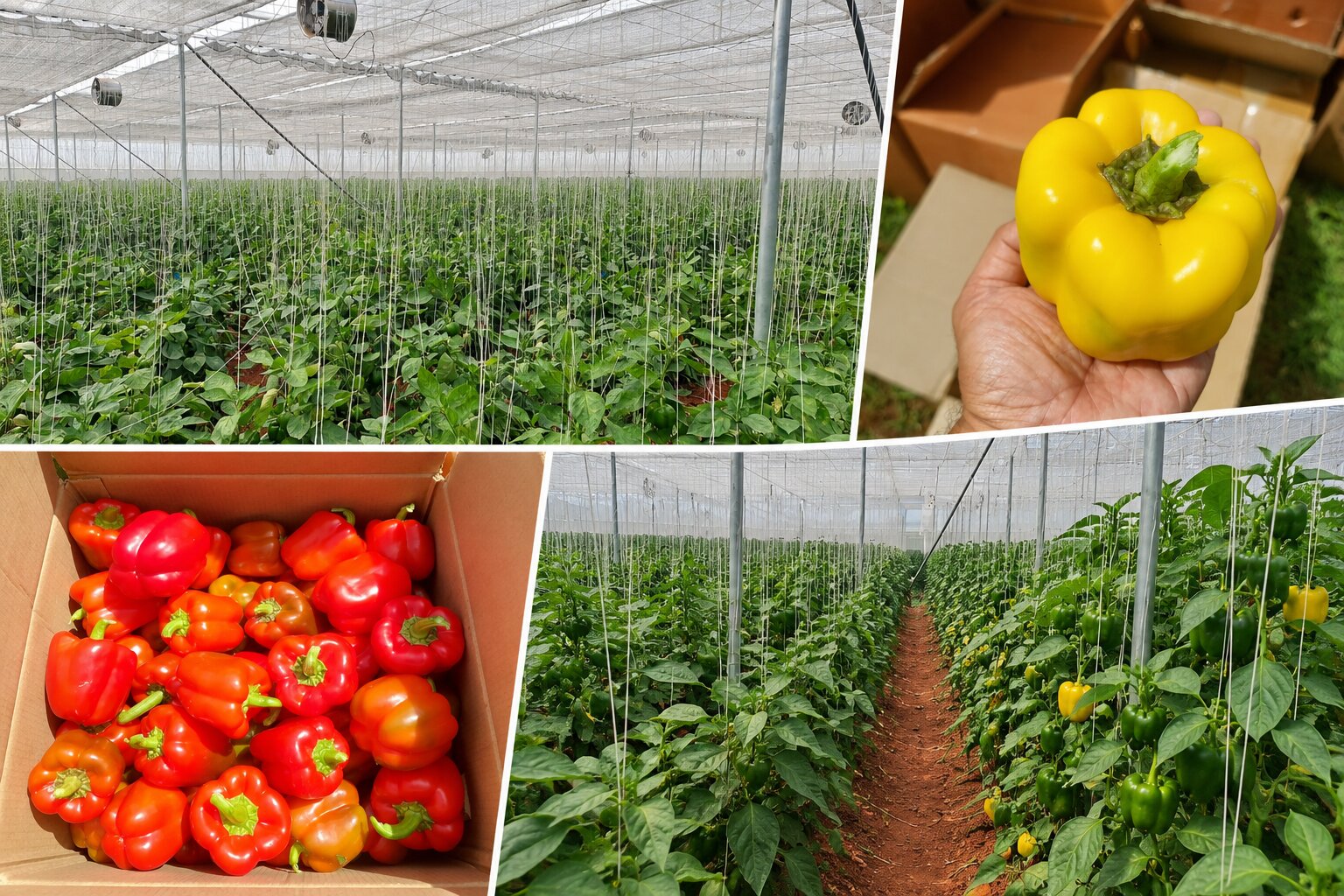
Polyhouses, on the other hand, are structures made of plastic walls and a roof. They are similar to greenhouses in that they provide a controlled environment for growing plants but are typically less expensive and easier to construct. Polyhouses are often used by small-scale farmers and gardeners who want to extend their growing season or protect their plants from harsh weather conditions.
One of the advantages of polyhouses is that they are more flexible than greenhouses. They can be easily moved or dismantled, which makes them ideal for temporary or seasonal use. They are also less expensive to construct than greenhouses, which makes them a popular choice for small-scale growers.
Key Differences Between Greenhouses and Polyhouses
Several key differences between greenhouses and polyhouses are worth noting. These include:
- Materials Used: Greenhouses are typically made of glass or polycarbonate panels, while polyhouses are made of plastic sheeting. Glass is more expensive than plastic but is more durable and provides better insulation. Polycarbonate panels are a popular alternative to glass because they are strong, lightweight, and provide good insulation.
- Cost: Greenhouses are generally more expensive than polyhouses, especially if made of glass. However, they are also more durable and can last decades with proper care. Polyhouses are less expensive to construct but may need to be replaced more frequently.
- Size: Greenhouses are available in a wider range of sizes than polyhouses. They can be small backyard structures or large commercial facilities. Polyhouses, on the other hand, are typically smaller and more suited to small-scale growing.
- Mobility: Polyhouses are more mobile than greenhouses because they are made of plastic sheeting that can be easily moved. On the other hand, greenhouses are more difficult to move because they are made of glass or polycarbonate panels.
- Ventilation: Greenhouses provide better ventilation than polyhouses because they have more openings for air to circulate. This can be important for preventing moisture and mold buildup inside the structure.
Which One is Right for You?
Deciding whether to choose a greenhouse or polyhouse depends on several factors, including your budget, the size of your growing area, and the type of plants you want to grow. A greenhouse may be the best choice if you have a large budget and want a permanent structure for decades. However, if you are on a tight budget and want a more flexible structure that can be easily moved or dismantled, a polyhouse may be a better option.
Another important factor to consider is the climate in your area. If you live in a cold climate with harsh winters, a greenhouse may be necessary to provide a warm and humid environment for your plants. However, if you live in a milder climate, a polyhouse may be sufficient to protect your plants from frost and other weather conditions.
Conclusion
Greenhouses and polyhouses are valuable tools for growing plants in a controlled environment. While they share some similarities, several key differences exist between the two structures. By understanding these differences and considering your budget, growing area, and climate, you can choose the right structure for your gardening needs.
Looking for a reliable polyhouse manufacturer in India? Look no further! Agriplast Protected Cultivation offers top-quality solutions for all your protected farming needs. contact our experts now to learn more about our outstanding products and services!
Recent Posts
Your Farm. Your Future.
Every great harvest starts with the right conversation. Let our experts design a polyhouse built around your land, crop, and climate.
Talk to an ExpertFrequently Asked Questions
In this video, Abhishek Bhatt, Director of Agriplast Protected Cultivation, will provide a comprehensive breakdown of why Agriplast Polyhouse outperforms other polyhouses in terms of yield. He'll elucidate on key features like superior design, Israeli technology application, and optimal environmental control. The design facilitates enhanced ventilation, ensuring ideal growing conditions. Additionally, the use of Israeli technology, tailored for Indian agricultural needs, plays a crucial role in maximizing yields. Stay tuned to gain valuable insights into how Agriplast Polyhouse revolutionizes protected cultivation for superior agricultural outcomes.
A greenhouse is a transparent structure which is made using glass where plants are grown under certain climatic conditions. The agricultural industry has got many innovations, and the greenhouse technology makes use of modern and smart technology to give optimum facilities to the plants for their better and more efficient growth all around the year. Polyhouse is a kind of greenhouse where polyethene plastic material is used to create the polyhouse instead of the use of glass.
A greenhouse is designed to grow plants even in adverse climatic conditions. The translucent glass that covers the greenhouse gives the plants enough light to let them carry the photosynthesis process easily by absorbing light energy. Since the greenhouse is in an airtight condition, a sufficient amount of sunlight makes the greenhouse warmer from within than the outer atmosphere.
Greenhouse not only warms the greenhouse from within only in summers but in winters; it allows for an artificial heating solution which is effective but is a bit expensive. Some other inexpensive ways of warming up your greenhouse are:
- If you cover the inside of a greenhouse structure with a bubble layer wrap, you will observe a reduction in heat loss.
- Good power supply availability will allow you to add electric fan heaters to circulate hot air within the greenhouse for the plant's growth.
- You can also get electric greenhouse heaters installed that come with an inbuilt thermostat and works automatically when the temperature of the outer surroundings goes down.
Greenhouse benefits you in several different ways, which are listed below:
- Helps in producing fresh crops at any time of the year.
- The facility of producing the crops all around the year, even in adverse climatic conditions.
- The greenhouse allows the farmers to create an exclusive environment for the better plant growth.
- Protects crops from adverse climatic conditions.
- The light energy within a greenhouse is distributed evenly to all the plants.
- Greenhouse installation makes it easy for the farmers to grow crops with less use of pesticides.
- Greenhouse setup helps in saving the total usage of resources.