Future of Hydroponic Farming in India: A Beginner's Guide
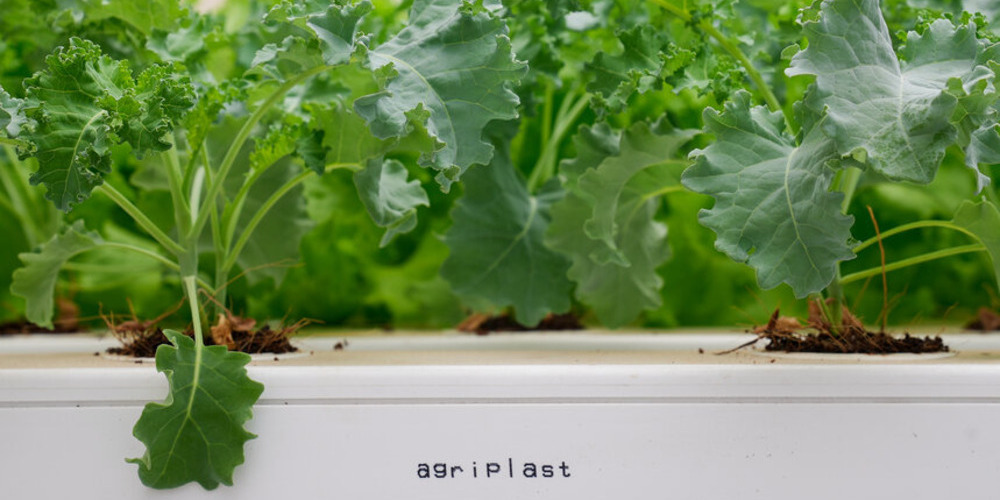
Hydroponic farming is currently playing a significant role in revolutionizing the agricultural industry in India. Hydroponics, which is the process of growing plants without using soil, is being used to produce more yields with minimum resources and reduced wastage.
Hydroponic farming has been used in India for decades but has recently gained more traction due to the availability of modern technology and tools. The future of hydroponic farming in India is very promising as the country is now shifting towards sustainable farming practices.
The Indian Government is encouraging the use of hydroponic farming as it is cost-effective and efficient. Hydroponic farming requires less water and land resources and also produces higher quality yields with less wastage. It is also an eco-friendly option compared to conventional farming as it does not require the use of chemical pesticides and fertilizers. Furthermore, hydroponic farming can be used to cultivate crops in areas that are otherwise not suitable for traditional farming.
The availability of modern technology and tools make hydroponic farming more accessible and easier to implement. There is a wide range of hydroponic systems and equipment such as lighting systems, nutrient solutions, and climate controllers that can be used to efficiently grow crops. Additionally, the Indian government has taken several initiatives to promote the use of hydroponic farming. This includes providing subsidies for farmers and setting up hydroponic farming training centers.
The future of hydroponic farming in India looks very promising. The Indian government is actively promoting the use of hydroponic farming and is providing various incentives to farmers who adopt this method. Furthermore, modern technology and tools are making it easier to implement this sustainable farming practice. As more farmers adopt hydroponic farming, India will be able to reduce its dependence on imported food and increase its food security.
Hydroponics on the Rise in India
Hydroponic farming is becoming increasingly popular in India as the government is taking steps to promote its use.
The government has invested in research and development to develop new technologies and tools that can be used for hydroponic farming. This includes the development of automated systems and climate controllers for efficient and cost-effective farming. Furthermore, the government is providing subsidies and grants to farmers who are interested in adopting hydroponic farming techniques.
The popularity of hydroponic farming is also growing among Indian consumers. People are becoming more aware of the benefits of hydroponic farming, such as the high quality and greater yield of crops, as well as its environmental sustainability. Furthermore, the availability of modern tools and technologies is making hydroponic farming more accessible and easier to implement.
Hydroponic Farming Scope in New India
Hydroponic farming has the potential to become a major player in the agriculture industry in India. The government's investment in research and development has created an environment that is conducive to the growth of hydroponic farming.
Additionally, the availability of modern tools and technologies has made hydroponic farming easier to implement and more accessible to farmers. Furthermore, the increasing awareness of the benefits of hydroponic farming among Indian consumers is likely to further drive the growth of this sector.
Hydroponic farming can provide a viable and sustainable alternative to traditional farming methods. It can help to reduce the environmental impact of farming and can increase the yield and quality of crops. As such, it is likely to become an increasingly important part of the Indian agricultural landscape in the coming years.
Conclusion
Hydroponic farming offers great potential to India in terms of sustainable and efficient food production. The growth of hydroponic farming in India has the potential to revolutionize the way food is produced and promote rural development in India.
Hydroponic farming has many advantages such as the ability to produce high-quality products, use fewer resources, and reduce the environmental impact of food production. With the increasing population, rising food prices, and climate change, hydroponic farming is an essential part of India’s future food production. With the right investments and policies, this technology can help India to ensure food security and sustainability.
If you’re looking for help with protected cultivation, check out Agriplast Protected Cultivation. We strive to offer the best possible outcomes along with workable solutions to help you lead a continuous growth process.
Recent Posts
Your Farm. Your Future.
Every great harvest starts with the right conversation. Let our experts design a polyhouse built around your land, crop, and climate.
Talk to an ExpertFrequently Asked Questions
In this video, Abhishek Bhatt, Director of Agriplast Protected Cultivation, will provide a comprehensive breakdown of why Agriplast Polyhouse outperforms other polyhouses in terms of yield. He'll elucidate on key features like superior design, Israeli technology application, and optimal environmental control. The design facilitates enhanced ventilation, ensuring ideal growing conditions. Additionally, the use of Israeli technology, tailored for Indian agricultural needs, plays a crucial role in maximizing yields. Stay tuned to gain valuable insights into how Agriplast Polyhouse revolutionizes protected cultivation for superior agricultural outcomes.
A greenhouse is a transparent structure which is made using glass where plants are grown under certain climatic conditions. The agricultural industry has got many innovations, and the greenhouse technology makes use of modern and smart technology to give optimum facilities to the plants for their better and more efficient growth all around the year. Polyhouse is a kind of greenhouse where polyethene plastic material is used to create the polyhouse instead of the use of glass.
A greenhouse is designed to grow plants even in adverse climatic conditions. The translucent glass that covers the greenhouse gives the plants enough light to let them carry the photosynthesis process easily by absorbing light energy. Since the greenhouse is in an airtight condition, a sufficient amount of sunlight makes the greenhouse warmer from within than the outer atmosphere.
Greenhouse not only warms the greenhouse from within only in summers but in winters; it allows for an artificial heating solution which is effective but is a bit expensive. Some other inexpensive ways of warming up your greenhouse are:
- If you cover the inside of a greenhouse structure with a bubble layer wrap, you will observe a reduction in heat loss.
- Good power supply availability will allow you to add electric fan heaters to circulate hot air within the greenhouse for the plant's growth.
- You can also get electric greenhouse heaters installed that come with an inbuilt thermostat and works automatically when the temperature of the outer surroundings goes down.
Greenhouse benefits you in several different ways, which are listed below:
- Helps in producing fresh crops at any time of the year.
- The facility of producing the crops all around the year, even in adverse climatic conditions.
- The greenhouse allows the farmers to create an exclusive environment for the better plant growth.
- Protects crops from adverse climatic conditions.
- The light energy within a greenhouse is distributed evenly to all the plants.
- Greenhouse installation makes it easy for the farmers to grow crops with less use of pesticides.
- Greenhouse setup helps in saving the total usage of resources.