Discover Diverse Crops Options with Agriplast's Protected Cultivation
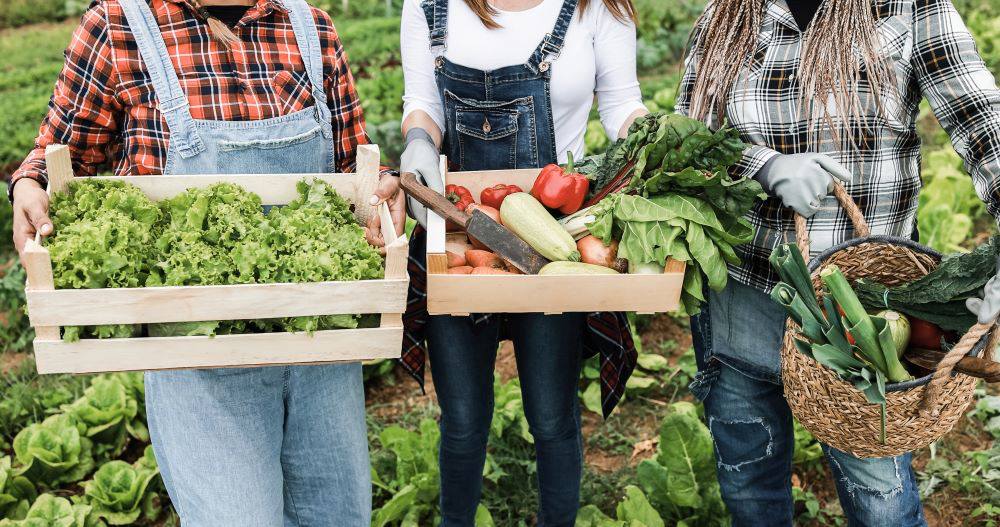
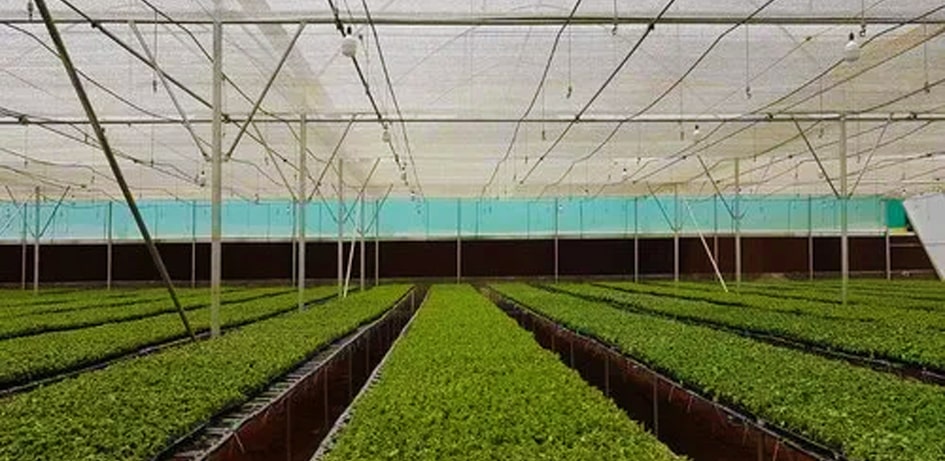
As a pioneer in protected cultivation, Agriplast continues to innovate, providing cutting-edge solutions featuring polyhouses, greenhouses, and net houses for efficient and profitable farming. One notable strength of Agriplast's structures lies in their adaptable nature, allowing for the cultivation of a diverse array of crops with varying requirements under controlled conditions. As demand grows for fresh, high-quality produce both locally and globally, utilizing Agriplast's protected cultivation solutions empowers agribusinesses to meet consumers' needs while maximizing their profit potential.
Whether it's fruits, vegetables, flowers, or medicinal plants, Agriplast's structures cater to the unique requirements of each crop, offering tailored solutions that ensure optimal growing conditions and better yields. Advanced climate control systems, efficient water management, and enhanced pest management strategies work together to support the cultivation of this wide range of crops, making Agriplast's protected cultivation structures an indispensable resource for modern growers.
In this article, we will delve into the diverse world of crops that can be cultivated within Agriplast's advanced structures and discuss how these solutions can be customized to suit the specific needs of each crop variety. By recognizing the potential of diverse crop cultivation within Agriplast's structures, agribusinesses can harness the power of technological innovation to drive profitability and growth within their operations.
1: High-Value Fruit and Vegetable Crops
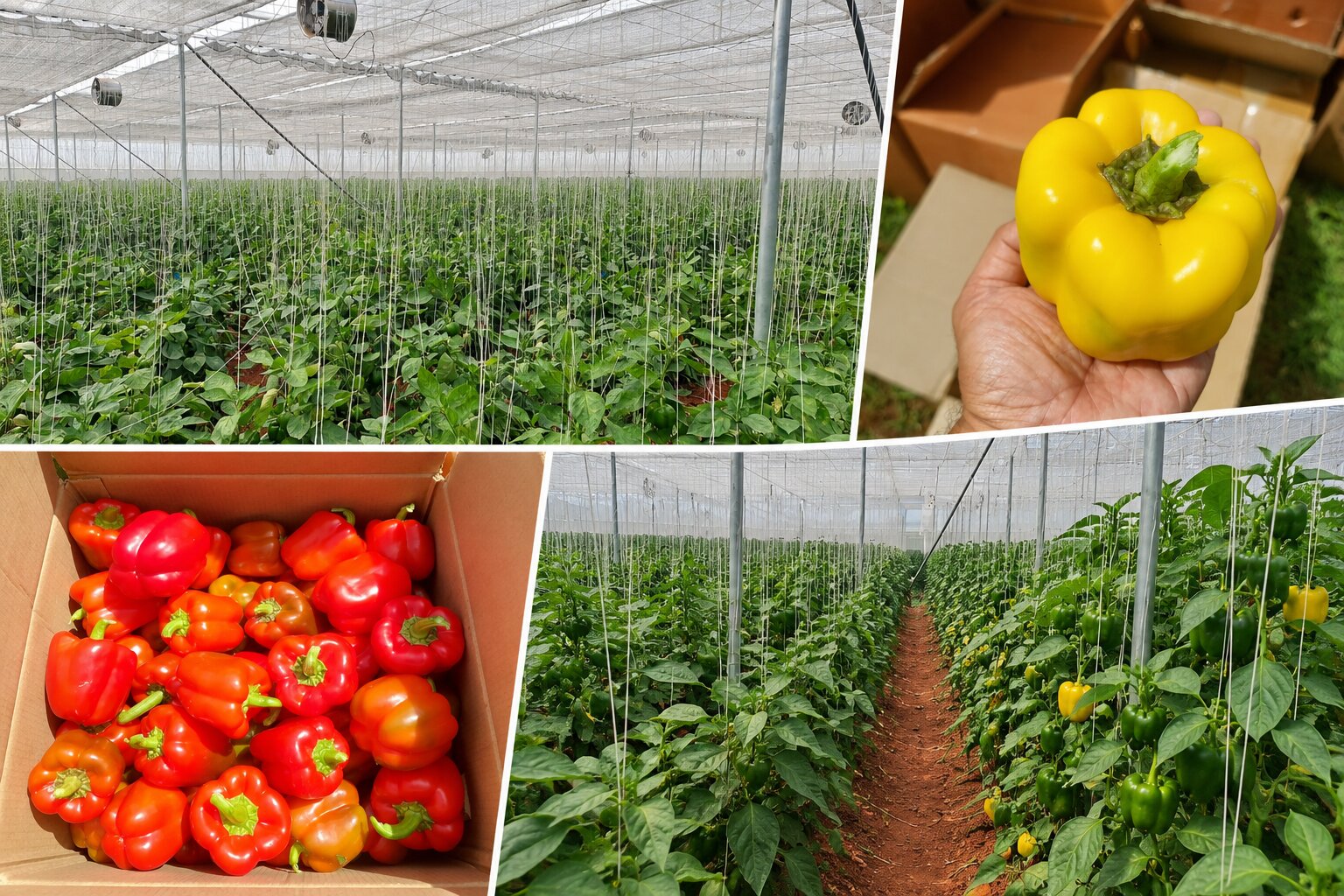
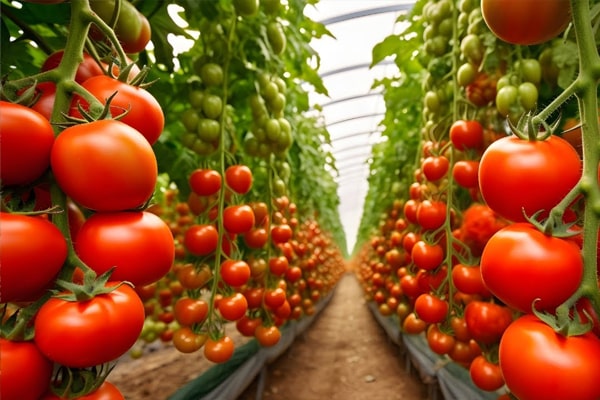
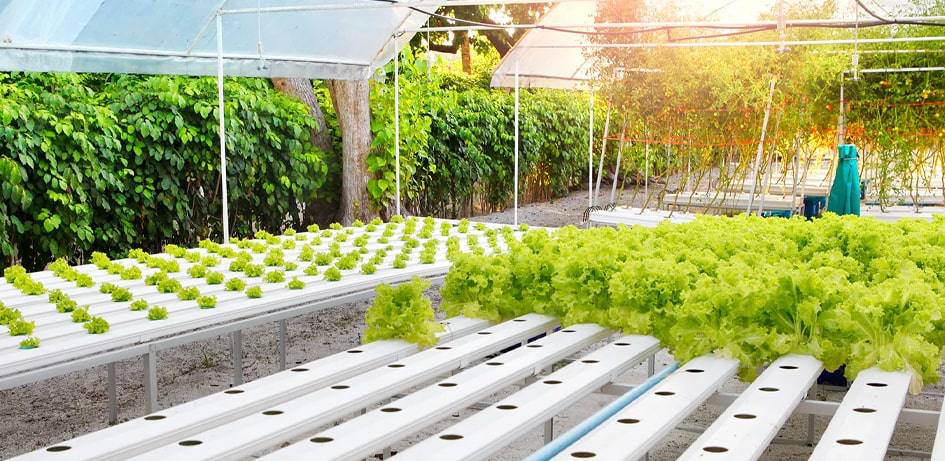
Agriplast's protected cultivation structures are ideal for growing high-value fruit and vegetable crops that cater to ever-growing consumer demands. By leveraging the sophisticated climate control systems and efficient irrigation methods available within polyhouses, greenhouses, and net houses, crops like tomatoes, cucumbers, peppers, lettuce, and strawberries can thrive in controlled environments. These structures ensure that temperature, humidity, and nutrient levels are consistently maintained, resulting in favorable growing conditions for these high-value crops.
As a testament to their adaptability, Agriplast's advanced structures can also be tailored to accommodate the needs of delicate crops like blueberries, raspberries, and kiwifruit. Through precise management of individual crop requirements, Agriplast's protected cultivation solutions enable businesses to tap into lucrative market segments, ensuring higher profitability and broadening product offerings.
2: Beautiful Blooms: Floriculture Opportunities
The floriculture industry is another flourishing domain that can benefit from Agriplast's protected cultivation structures. The controlled environment provided by polyhouses, greenhouses, and net houses allows for year-round flower production, ensuring a continuous supply of fresh blooms for local and international markets. Roses, lilies, orchids, and gerberas are just a few examples of the diverse floral options that can be cultivated successfully within these advanced structures.
By leveraging Agriplast's technological innovations in climate control, water management, and pest management, floriculture businesses can maintain their flowers in pristine condition, ensuring premium quality and marketability. With Agriplast's protective cultivation solutions, businesses have the opportunity to expand their product range and capitalize on the growing global demand for fresh-cut flowers.
3: Medicinal and Aromatic Plants
There's increasing interest in the development of medicinal and aromatic plants as a potential avenue for income generation and diversification in agriculture. The unique requirements of these plants often demand a controlled environment to ensure their optimal growth and the most efficient harvesting of essential oils or other active components.
Agriplast's protected cultivation structures offer an exceptional solution, providing the necessary climate control, pest management, and resource efficiency required for the successful cultivation of crops like aloe vera, mint, lavenders, chamomile, and various medicinal herbs. By utilizing Agriplast's advanced structures, agribusinesses have the potential to venture into new, profitable markets, exploring the untapped potential of medicinal and aromatic plant cultivation.
4: Adapting to Specialty and Niche Crop Cultivation
Agriplast's advanced protected cultivation structures possess the capacity and flexibility to adapt to ever-changing market trends and consumer preferences. As the demand for sustainably grown, high-quality produce continues to rise, exploring niche markets like heirloom food crops, specialty mushrooms, microgreens, or exotic floral varieties can provide a lucrative opportunity for agribusinesses.
Agriplast's protected cultivation structures ensure the specialized growing conditions required by these specialty crops are met, maximizing growth potential and product marketability. With a keen focus on technological advancements, climate control, and resource efficiency, Agriplast's solutions enable businesses to stay ahead of market trends, catering to ever-evolving consumer demands.
Conclusion
The cultivation of diverse crops within Agriplast's protected cultivation structures empowers agribusinesses to explore a myriad of profitable opportunities while ensuring optimal growing conditions for each crop variety. From high-value fruits and vegetables to floriculture, medicinal and aromatic plants, and niche specialty crops, businesses can leverage the advanced technology and adaptable nature of polyhouses, greenhouses, and net houses to cater to varying market demands and consumer preferences.
By embracing the potential of Agriplast's protected cultivation solutions, businesses can unlock the door to a world of crop diversity, driving profitability and growth with a focus on innovation, sustainability, and efficiency. Adopt Agriplast's protected cultivation structures and polyhouse construction in your farming operations, and witness firsthand the transformative possibilities of successful diverse crop cultivation.
Recent Posts
Your Farm. Your Future.
Every great harvest starts with the right conversation. Let our experts design a polyhouse built around your land, crop, and climate.
Talk to an ExpertFrequently Asked Questions
In this video, Abhishek Bhatt, Director of Agriplast Protected Cultivation, will provide a comprehensive breakdown of why Agriplast Polyhouse outperforms other polyhouses in terms of yield. He'll elucidate on key features like superior design, Israeli technology application, and optimal environmental control. The design facilitates enhanced ventilation, ensuring ideal growing conditions. Additionally, the use of Israeli technology, tailored for Indian agricultural needs, plays a crucial role in maximizing yields. Stay tuned to gain valuable insights into how Agriplast Polyhouse revolutionizes protected cultivation for superior agricultural outcomes.
A greenhouse is a transparent structure which is made using glass where plants are grown under certain climatic conditions. The agricultural industry has got many innovations, and the greenhouse technology makes use of modern and smart technology to give optimum facilities to the plants for their better and more efficient growth all around the year. Polyhouse is a kind of greenhouse where polyethene plastic material is used to create the polyhouse instead of the use of glass.
A greenhouse is designed to grow plants even in adverse climatic conditions. The translucent glass that covers the greenhouse gives the plants enough light to let them carry the photosynthesis process easily by absorbing light energy. Since the greenhouse is in an airtight condition, a sufficient amount of sunlight makes the greenhouse warmer from within than the outer atmosphere.
Greenhouse not only warms the greenhouse from within only in summers but in winters; it allows for an artificial heating solution which is effective but is a bit expensive. Some other inexpensive ways of warming up your greenhouse are:
- If you cover the inside of a greenhouse structure with a bubble layer wrap, you will observe a reduction in heat loss.
- Good power supply availability will allow you to add electric fan heaters to circulate hot air within the greenhouse for the plant's growth.
- You can also get electric greenhouse heaters installed that come with an inbuilt thermostat and works automatically when the temperature of the outer surroundings goes down.
Greenhouse benefits you in several different ways, which are listed below:
- Helps in producing fresh crops at any time of the year.
- The facility of producing the crops all around the year, even in adverse climatic conditions.
- The greenhouse allows the farmers to create an exclusive environment for the better plant growth.
- Protects crops from adverse climatic conditions.
- The light energy within a greenhouse is distributed evenly to all the plants.
- Greenhouse installation makes it easy for the farmers to grow crops with less use of pesticides.
- Greenhouse setup helps in saving the total usage of resources.